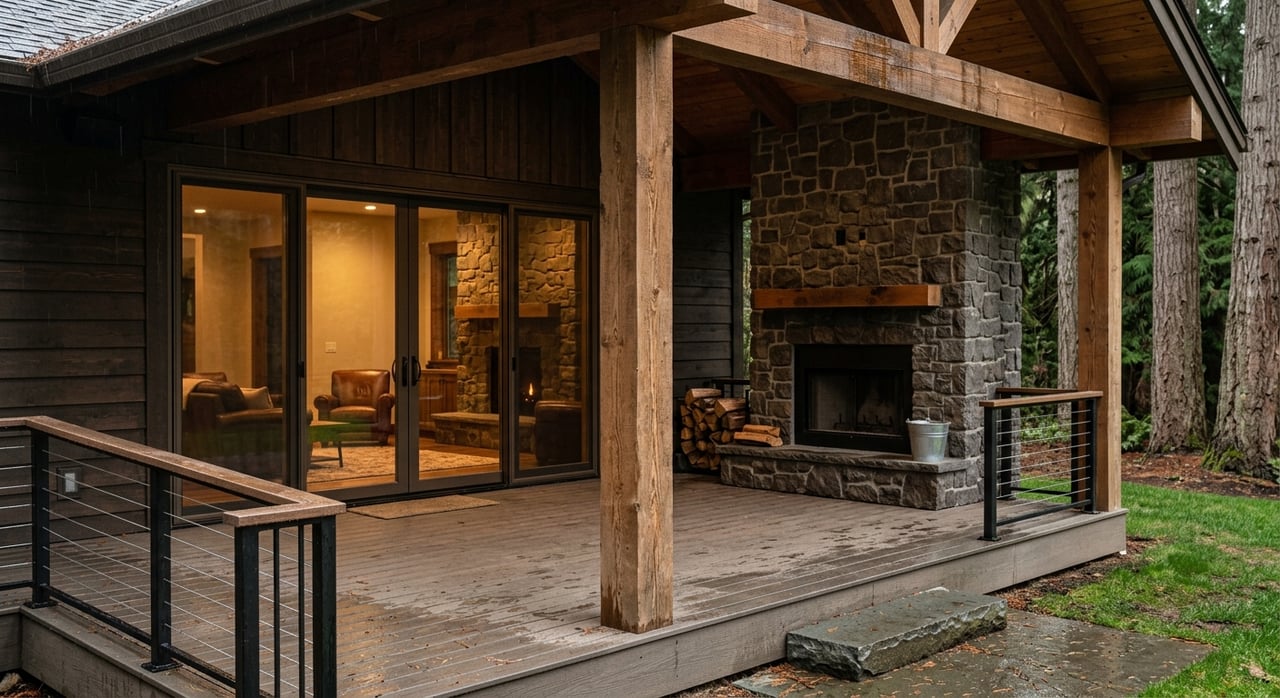
Dreaming about a mountain getaway that is close enough for a spontaneous weekend, but far enough to feel like a real escape? If you are thinking about buying a second home or cabin in Cle Elum, you are not alone. For many buyers from the Seattle area, Cle Elum stands out because it offers four-season recreation, a range of home styles, and drive-to convenience instead of the complexity of a fly-in destination. This guide will help you understand what to look for, what to ask, and what ownership really feels like before you buy. Let’s dive in.
Why Cle Elum draws second-home buyers
Cle Elum has become a popular second-home market in part because it is an easy mountain destination for Puget Sound buyers. Suncadia describes itself as a mountain resort community about 90 minutes east of Seattle, with options for weekend living, full-time living, or a hybrid in between.
That drive-to appeal matters if you want flexibility. You can use the home for long weekends, school breaks, remote-work stays, or a future lifestyle shift without planning around flights or major travel logistics.
The setting also adds to the appeal. Kittitas County describes the region as stretching from the forested Cascade Mountains to the upper Yakima River Valley plains, which helps explain why buyers are drawn to both mountain recreation and wide-open rural scenery.
Cle Elum offers more than cabins
When many buyers picture a second home in Cle Elum, they imagine a standalone cabin in the woods. That can absolutely be part of the market, but the local housing mix is broader than many people expect.
Kittitas County resort regulations allow for single-family homes, multifamily homes, condominiums, time-share and fractional ownership accommodations, hotels and lodges, RV sites, trails, and other visitor-oriented amenities. The county code also specifically recognizes vacation and second homes within resort boundaries.
That means your options may include:
- Traditional cabins or cabin-inspired homes
- Condos and vacation homes
- Rowhomes or bungalow-style residences
- Homesites for a custom build
- Resort-oriented properties with shared amenities
If your goal is low maintenance, a condo or lock-and-leave property may fit better than a detached home. If you want privacy, outdoor space, or a longer-term family retreat, a standalone home or homesite may make more sense.
Resort communities to understand
A big part of the Cle Elum second-home conversation centers on resort living. Suncadia’s current community offerings include neighborhoods such as Nelson Preserve, Tumble Creek Club, and The Uplands 55+, which shows that the area is not a one-size-fits-all cabin market.
That variety matters because your ideal second home depends on how you plan to use it. Some buyers want easy access to amenities and social activities, while others want a quieter retreat with more separation and privacy.
Suncadia lifestyle and amenities
Suncadia is one of the best-known names in the area, and for good reason. It combines homes, homesites, condos, and vacation-oriented residences with a mountain setting that appeals to both part-time and full-time owners.
For buyers who care about recreation, golf is a major part of the story. Suncadia highlights Prospector Golf Course and Rope Rider Golf Course, with resident-exclusive golf memberships available from April through October.
Tumble Creek’s private-club feel
If you want a more private setting, Tumble Creek is worth a closer look. Suncadia notes that Tumble Creek Club offers a gated environment with homesites, club access, private sections of trails, and access along the Cle Elum River.
For some buyers, that private-club structure is a major advantage. For others, it may feel more structured than they want. The right fit depends on whether you value privacy, amenities, and managed surroundings over a more independent cabin experience.
Local recreation beyond the resort gates
Even if you are shopping in or near a resort community, it is helpful to know that Cle Elum has local recreation options outside private clubs. According to the City of Cle Elum parks and recreation plan, the city has seven parks totaling about 35 acres, plus Hanson Ponds at about 82 acres.
The city also identifies nearby trail connections including the John Wayne Pioneer / Iron Horse Trail, Progress Path, and the Coal Mines Trail. For you as a second-home buyer, that means there are public outdoor amenities that can support day-to-day enjoyment whether or not you are using private resort facilities.
Four-season weather changes the buying decision
Cle Elum is not just a summer market. It is a true four-season location, and that is part of its appeal. It is also why your buying decision should include practical planning, not just lifestyle goals.
According to NOAA climate normals for Cle Elum, the station sits at about 1,900 feet elevation. January average temperatures are 35.0°F for highs and 22.2°F for lows, while July averages are 81.1°F and 52.7°F. Annual precipitation is 24.69 inches.
That climate supports summer use, shoulder seasons, and winter recreation. It also means snow, freezing temperatures, and weather-related maintenance need to be part of your ownership plan.
Winter access matters more than many buyers expect
For Seattle-area buyers, the biggest access question is often I-90 over Snoqualmie Pass. WSDOT explains that the pass is a winter-long avalanche-control corridor that averages more than 450 inches of snowfall each winter.
When avalanche control is required, road closures can happen while crews work and clear conditions for reopening. WSDOT says delays are typically 30 minutes to two hours, with longer delays possible during severe weather.
If you are buying with the expectation of easy Friday-night arrivals and Sunday returns all winter long, this is important to understand upfront. Cle Elum is still a strong drive-to destination, but winter travel is not always effortless.
Smart winter questions to ask
Before you buy, it helps to get specific about access and winter readiness. Ask questions such as:
- Is the road public or private?
- Who handles snow plowing and road maintenance?
- Are driveways difficult to access during snow or ice?
- What winter vehicle requirements should you expect?
- How often do you realistically plan to use the home in peak winter conditions?
WSDOT’s winter driving guidance recommends carrying chains, knowing how to install them, and packing a winter vehicle kit. The agency also notes that traction tires or chains may be required, and even AWD or 4WD vehicles can be required to chain up in extreme conditions.
Private roads and maintenance are worth reviewing
In mountain and resort settings, road maintenance is not always handled the same way it is in a typical suburban neighborhood. Kittitas County code states that roads and bridges within a resort may be privately owned and maintained.
That creates an important due diligence item for buyers. Before closing, you will want to verify who is responsible for plowing, upkeep, and access-related costs, especially if the home is in a master-planned or private community.
Kittitas County also notes that if county vehicles cannot safely reach a site because of snow and ice in higher elevations, inspections will not be performed until access roads and driveways are clear. That is a useful reminder that winter conditions affect more than just weekend travel.
Wildfire awareness is part of ownership
Mountain-home ownership in this area also comes with wildfire considerations. The Kittitas County Fire Marshal says all unincorporated Kittitas County is identified as a Wildland Urban Interface area.
For you as a buyer, that means wildfire preparedness is not just a seasonal headline. It is part of the ownership reality. Defensible space, vegetation management, and awareness of burn bans can all affect how you maintain and use the property.
This does not mean ownership is unusually difficult. It simply means your second-home checklist should include practical questions about the lot, landscaping, and ongoing maintenance responsibilities.
Vacancy and part-time use planning
Most second-home buyers are not living in the property every day. That raises a simple question: what happens when the house sits empty?
Kittitas County offers a helpful local resource here. The Sheriff’s Citizens Patrol program says volunteers can provide vacation property checks, which may be relevant if you plan to use the home mainly on weekends, holidays, or seasonal visits.
Part-time ownership can work very well, but it is smart to think through check-ins, weather monitoring, maintenance scheduling, and security before you commit.
Short-term rental plans need extra homework
If part of your strategy includes renting out the property, make sure you research that carefully before you buy. Kittitas County approved an expansion of its Short-Term Rental Committee in 2025 to develop draft regulations, which suggests this is an active and evolving issue.
Washington state law also requires certain short-term rental standards, including operator contact information, carbon monoxide compliance, and posted emergency details inside each rental unit. On top of that, HOA rules, resort rules, or private-club restrictions may also affect whether and how a property can be rented.
If rental income is a must-have part of your purchase plan, confirm the current rules early in the process.
Property taxes should be in your budget review
A second home is not just about the purchase price. Ongoing costs matter, especially when the home is used part time. One of those costs is property tax.
The Kittitas County Assessor is responsible for valuing real and personal property and establishing the local tax base. As you evaluate a property, make sure you review county-assessed taxes and any applicable special levies as part of your full ownership picture.
How to choose the right second home
The best second home in Cle Elum is the one that matches how you actually plan to live. It helps to start with a few clear priorities.
Think about:
- How often you will use the property
- Whether you want a resort setting or a more independent location
- How much maintenance you are comfortable handling
- Whether golf, trails, parks, or club amenities matter to you
- Whether short-term rental potential is important
- How comfortable you are with winter driving and seasonal access
When those answers are clear, your property search gets much easier. Instead of shopping only by looks, you can focus on the home type, location, and ownership structure that support your real-life goals.
If you are considering a second home or cabin in Cle Elum and want a thoughtful, low-pressure conversation about what to look for, Tate Campbell is here to help you make sense of the options and move forward with confidence.
FAQs
What makes Cle Elum appealing for a second home?
- Cle Elum appeals to many buyers because it is a drive-to mountain destination from the Seattle area, offers four-season recreation, and includes a mix of resort and non-resort housing options.
What types of second homes are available in Cle Elum?
- Buyers can find more than traditional cabins, including single-family homes, condos, homesites, rowhomes, bungalow-style residences, and resort-oriented vacation properties.
What should buyers know about winter travel to Cle Elum?
- Winter travel often depends on conditions over Snoqualmie Pass, where WSDOT may close I-90 temporarily for avalanche control and chain requirements may apply.
What ownership issues matter for a cabin in Kittitas County?
- Important issues include snow removal, private-road maintenance, wildfire preparedness, vacancy planning, property taxes, and any rental-related restrictions.
Can you use a Cle Elum second home as a short-term rental?
- Possibly, but you should verify current county rules, state requirements, and any HOA, resort, or club restrictions before you buy.
Are there recreation options in Cle Elum outside resort communities?
- Yes, the City of Cle Elum identifies public parks, Hanson Ponds, and trail connections such as the John Wayne Pioneer / Iron Horse Trail, Progress Path, and Coal Mines Trail.