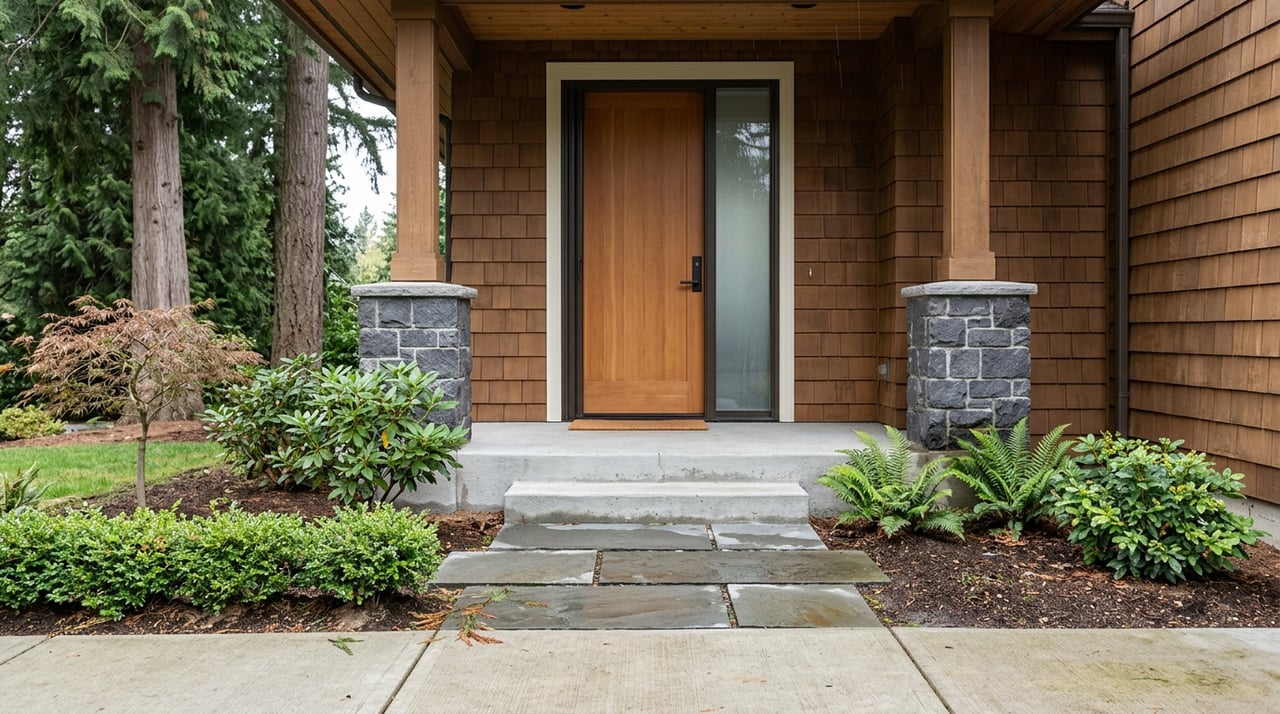
Buying your first home in Everett can feel exciting and overwhelming at the same time. You are trying to balance budget, timing, mortgage options, and the reality of a market where good homes can move quickly. The good news is that the process becomes much more manageable when you break it into clear steps and know what to expect in this local market. Let’s walk through it step by step.
Why Everett appeals to first-time buyers
Everett gives you a mix of city access and regional connectivity that matters when you are buying your first home. The city is about 25 miles north of Seattle and is connected by car, train, bus, and air, with Everett Transit providing local fixed-route and paratransit service seven days a week.
For many first-time buyers, that means your home search is not just about square footage or price. It is also about commute options, access to daily needs, and finding a monthly payment that fits your life now and in the years ahead.
Step 1: Get clear on your budget
Before you start touring homes, take a close look at what you can comfortably afford. This step is about more than estimating a purchase price. It is about understanding the full cost of homeownership.
The Consumer Financial Protection Bureau recommends thinking through your steady income, credit condition, and available savings. You will also want to budget for more than a down payment, including closing costs, moving costs, repairs, insurance, property taxes, and any HOA dues that may apply.
What to include in your budget
Make room for both upfront and ongoing costs. A realistic budget can help you avoid stretching too far once you are under contract.
- Down payment
- Closing costs
- Moving expenses
- Initial repairs or updates
- Homeowners insurance
- Property taxes
- HOA dues, if applicable
- Ongoing maintenance
Some loan programs allow low or even no down payment. Still, a smaller down payment can mean mortgage insurance and a higher monthly payment, so it is important to compare the total picture.
Step 2: Talk with a lender early
One of the smartest first moves is talking with a lender before you fall in love with a home. Lenders typically review your income, assets, employment, savings, debt, and credit to decide whether you can repay a mortgage.
This step helps you understand your price range and gives you a clearer sense of your monthly payment. It also puts you in a stronger position if you need to move quickly when the right home comes up.
Why early lender prep matters in Everett
Everett remains an active market, and recent public snapshots suggest homes can sell quickly. Redfin reported that homes received about two offers on average, sold in around 12 days, and had a March 2026 median sale price of $560,000, while Realtor.com showed a median list price of $605,000 and median days on market of 31 in April 2026.
Those numbers come from different reporting windows, so it is best to treat them as directional rather than exact. The bigger takeaway is simple: if a home fits your needs and is priced well, being prepared matters.
Step 3: Learn your first-time buyer options
If you are buying in Everett, statewide programs may be more relevant than county assistance for homes inside city limits. That is an important detail many buyers do not realize at first.
Washington State Housing Finance Commission programs are often the main place to start. These programs can help eligible buyers understand financing options and, in some cases, access down payment assistance.
Washington Home Advantage
The Home Advantage program is available for primary residences across Washington. It is not limited to first-time buyers, and the statewide income limit is $180,000.
Its companion down payment assistance is structured as a 0% second mortgage with no monthly payment. That balance becomes due in 30 years or when the home is sold, refinanced, or no longer used as a primary residence.
Covenant Homeownership Program
This is a more targeted program for eligible first-time buyers with qualifying family roots in Washington before April 1968. Under the updated law change effective July 28, 2025, income eligibility increased to 120% of area median income.
The program can provide up to 20% of the home’s cost or $150,000, plus allowable closing costs, as a 0% second mortgage. Because this program has specific eligibility rules, buyers should confirm details early.
A note on Snohomish County assistance
Snohomish County still offers first-time homebuyer purchase assistance through CDBG funding, but current 2026 guidance excludes projects in Everett and Marysville. That means this county program is generally not the main public assistance option for homes within Everett city limits.
Also, many assistance programs define a first-time buyer as someone who has not owned a home in the previous three years. In other words, first-time does not always mean you have never owned property before.
Step 4: Complete required education if using assistance
Some assistance programs require a homebuyer education course before funds can be reserved. For example, Washington State Housing Finance Commission requires borrowers on the loan to complete a Commission-sponsored homebuyer education seminar before reserving funds.
This step can be easy to overlook, but it matters. If you think you may use an assistance program, ask about education requirements at the very beginning so they do not slow you down later.
Step 5: Tour homes with your lifestyle in mind
Once your financing picture is clearer, you can start touring homes with more confidence. In Everett, this step should include more than your wish list for bedrooms, yard size, or layout.
Because the city is connected by road, rail, bus, and air, and because Everett Transit links riders to local destinations and regional transit points, commute access can be a major part of your decision. You may find that location, travel time, and monthly payment all need to work together.
What to watch during tours
It helps to evaluate each home through a practical lens. Try to focus on the things that affect your daily life and long-term comfort.
- Commute route and transit access
- Monthly payment at current rate ranges
- Home condition and likely maintenance needs
- Layout that fits your current needs
- Potential HOA costs, if applicable
- How the property compares with other options in your price range
Step 6: Make an offer with a plan
When you find the right home, your offer needs to be both competitive and thoughtful. In a faster market, timing, contingencies, and overall terms can matter just as much as price.
That does not mean you should rush without understanding the details. It means you should be prepared so you can make a smart decision without unnecessary delays.
A strong offer starts with knowing your limits ahead of time. If you already understand your financing, budget, and priorities, you can act more confidently when the right opportunity appears.
Step 7: Schedule the inspection and appraisal
After your offer is accepted, two important steps usually follow: the inspection and the appraisal. These are not the same thing, and both serve different purposes.
The inspection helps you understand the home’s condition. The appraisal is generally required by the lender to confirm the property’s value for the loan.
What happens if the inspection finds issues?
The Consumer Financial Protection Bureau notes that buyers may be able to negotiate with the seller or even cancel the sale based on the inspection, depending on the terms of the contract. This is one reason your offer terms and contingencies matter so much from the start.
An inspection does not automatically mean a deal falls apart. It often gives you a clearer picture of repairs, maintenance, or next steps before you move forward.
Step 8: Review your loan documents carefully
As closing gets closer, pay close attention to your final loan paperwork. Your lender must provide the Closing Disclosure at least three business days before closing.
This gives you time to compare the final terms and closing costs with the earlier Loan Estimate. If anything looks different than expected, ask questions right away.
Stay alert for closing scams
The days right before closing can be busy, and that is one reason buyers can be targeted by mortgage closing scams. Slow down, verify instructions carefully, and confirm any payment details through trusted channels before sending funds.
A careful review at this stage can protect both your money and your peace of mind.
Step 9: Close and prepare for homeownership
Closing day is a big milestone, but it is also the start of a new responsibility. The CFPB notes that homeownership includes ongoing maintenance, insurance, and other recurring costs.
That is why the best first-time buying plan does not stop at getting the keys. It also includes making sure your monthly budget still has room for repairs, upkeep, and the normal surprises that come with owning a home.
Why local guidance matters in Everett
First-time buyers often need more than a property search. You need clear explanations, steady communication, and someone who understands how Everett fits into the broader Snohomish County market.
That local perspective can help you think through commute patterns, neighborhood options, timing, and the practical tradeoffs between price and lifestyle. When you have a step-by-step plan and the right support, the process feels far less stressful.
If you are getting ready to buy your first home in Everett, Tate Campbell offers personalized guidance, local insight, and hands-on support to help you move forward with confidence.
FAQs
What does first-time homebuyer mean in Everett-area assistance programs?
- Many programs use the standard rule that a first-time buyer is someone who has not owned a home in the past three years, so you may still qualify even if you owned a home before.
How much money should you save before buying a first home in Everett?
- You should plan for the down payment, closing costs, moving costs, repairs, insurance, property taxes, and possible HOA dues, not just the purchase price.
How competitive is the Everett housing market for first-time buyers?
- Public market snapshots suggest Everett remains active, with relatively quick sales and buyer competition, especially for well-priced homes.
What is the difference between a home inspection and an appraisal in Everett?
- An inspection helps you evaluate the home’s condition, while an appraisal is usually required by the lender to support the property’s value for the loan.
When do you receive final mortgage terms before closing on an Everett home?
- Your lender must provide the Closing Disclosure at least three business days before closing so you can review final terms and costs.
Which down payment assistance programs are most relevant for Everett buyers?
- Washington State Housing Finance Commission programs are often the most relevant starting point for Everett buyers, since current Snohomish County guidance generally excludes projects inside Everett city limits.