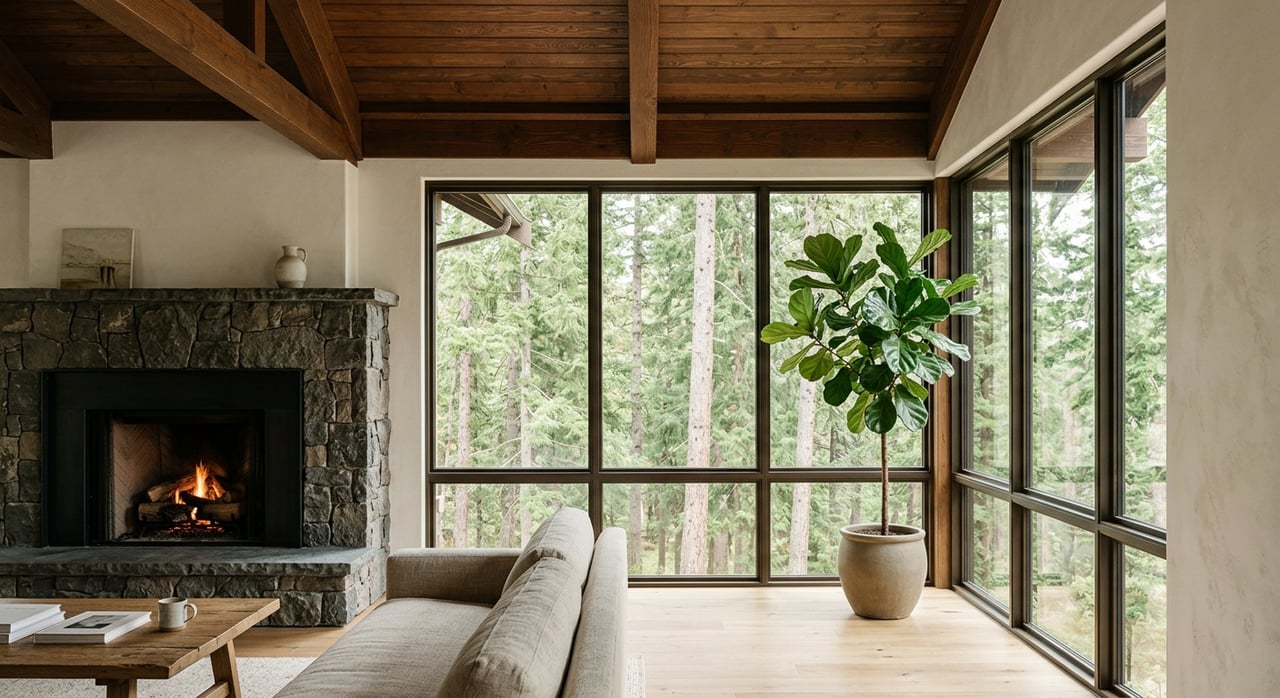
Wondering if Monroe should be your family’s next move? If you want more space, easier access to the outdoors, and a home base that still connects well to the rest of Snohomish County, Monroe is worth a close look. The real question is not whether Monroe is good in general, but whether it fits your budget, commute, and day-to-day lifestyle. Let’s dive in.
Monroe offers a different kind of value
For many move-up buyers, Monroe sits in an interesting middle ground. It is connected by major highways, has a strong parks and recreation presence, and offers a more suburban, nature-oriented setting than some nearby markets.
At the same time, Monroe is not simply the cheapest way to get more house. Recent sale data places it above Everett, Marysville, Sultan, and Lake Stevens, but below Snohomish. That means your decision is often less about finding a bargain and more about deciding whether Monroe’s mix of space, access, and lifestyle is the right fit for your family.
Commute access in Monroe
One of Monroe’s biggest strengths is location. The city sits at the intersection of US Highway 2, State Route 522, and State Route 203, and the city notes it is about 15 miles southeast of Everett and roughly 30 minutes from Paine Field International Airport.
If your work, errands, or family routines take you across the region, those road connections can make a real difference. US 2 is also a major east-west corridor in Washington, which adds to Monroe’s appeal for households that want regional access without living closer to the urban core.
What daily commuting looks like
Monroe is still largely a car-based community. A 2024 ACS-derived profile reported that 68.2% of workers drove alone, 20.4% worked from home, and 7.95% carpooled, while Census QuickFacts lists a mean travel time to work of 31.3 minutes.
In practical terms, Monroe tends to work best if you are comfortable with about a half-hour average commute. If you need transit every day as your main option, Monroe may feel less convenient than a location closer to denser job centers.
Transit options as a backup
Community Transit serves Monroe with local buses, the Monroe Park & Ride, vanpool, and DART paratransit. The city highlights transit connections to Everett and parts of northern King County, and Community Transit notes riders can connect from local buses to regional express service, including routes that can help reach places like Bellevue.
For many families, that setup works best as a secondary option rather than the center of daily commuting. It can still be useful if you want flexibility on certain workdays or need another way to get around.
Parks and outdoor living matter here
If your ideal week includes playground time, walks by the water, sports fields, or easy outdoor breaks after school and work, Monroe has a lot going for it. The city maintains 17 parks, 23 trails totaling 14 miles, 14 sports fields, 12 playgrounds, 7 sports courts, and 7 picnic shelters, along with more than 30 events each year.
That kind of park system shapes everyday life. In Monroe, recreation is not just a weekend add-on. It is built into the city in a way many families notice quickly.
Lake Tye Park is a major local feature
Lake Tye Park is Monroe’s largest community park at 64 acres. It includes a 42-acre recreational lake, a 1.63-mile loop trail, playgrounds, sports courts, fields, a skate park, picnic shelters, a beach area, and recurring events like Music in the Park, Movies Under the Moon, National Night Out, and the Community Easter Egg Hunt.
For buyers comparing towns, a park like this can become part of your routine. It gives you a place to walk, play, gather, and enjoy community events without needing to plan a long drive.
Al Borlin Park adds quieter green space
Al Borlin Park offers a different outdoor experience. It is the city’s largest park at 90 acres and includes river frontage and about 1.2 miles of soft-surface gravel trails connected by a pedestrian bridge from Lewis Street Park.
That quieter, more natural setting adds to Monroe’s appeal for households who want easy access to open space. If being outdoors is part of how your family recharges, Monroe’s park system stands out.
Housing in Monroe
Monroe has historically been a single-family-heavy market. A city housing element showed that about 75% of the housing stock in 2011 was single-family, mostly detached, though there was also growth in attached single-family housing.
Today, buyers can still find a mix that includes single-family homes, townhouses, and condos or co-ops. So while detached homes remain a major part of the market, you do have more than one path depending on your budget and stage of life.
What Monroe costs today
Local affordability data shows Monroe is no longer a low-cost outlier. The city’s 2025 needs assessment, using ACS 2019-23 data, put Monroe’s median home value at $638,300 and average monthly owner housing costs at $2,174, with nearly half of owners paying more than $2,500 per month.
Census QuickFacts for Monroe’s 2020-2024 ACS update lists a median value of owner-occupied housing units at $668,400 and median monthly owner costs with a mortgage at $2,601. Recent sale data also showed a median sale price of $710,000 in March 2026, with homes receiving about two offers on average and selling in around 27 days.
How Monroe compares nearby
Here is where Monroe fits in recent nearby sale data:
| Area | Median Sale Price |
|---|---|
| Everett | $560,000 |
| Sultan | $580,000 |
| Marysville | $627,500 |
| Lake Stevens | $667,500 |
| Monroe | $710,000 |
| Snohomish | $860,000 |
This pricing puts Monroe in the upper-middle of the nearby market cluster. If you are moving up for more room and a stronger outdoor lifestyle, that may feel worth it. If your top priority is stretching every dollar as far as possible, you may want to compare Monroe carefully with lower-priced nearby options.
Questions to ask before choosing Monroe
A move works best when the town fits your real life, not just your wish list. Before you decide, it helps to ask a few honest questions.
How often will you commute?
If you expect regular in-person workdays, think about how a roughly 30-minute average travel time fits your schedule. Monroe’s highway access is a plus, but your comfort with driving matters.
What type of home do you want?
If you are hoping for a detached home with more space, Monroe may line up well with your goals. If an attached home, townhouse, or condo fits your next chapter better, there are options, but you will still want to compare inventory closely.
Is your budget aligned?
Monroe can make sense for buyers who prioritize lifestyle and location, but it is not usually the cheapest nearby market. Look at your payment comfort, your long-term plans, and whether Monroe gives you the right mix of space and value.
How important is outdoor access?
Some families use parks occasionally. Others want trails, lake access, sports fields, and community events to be part of normal life. Monroe is especially compelling if outdoor living and community recreation matter to you on a regular basis.
What are you really buying for?
This may be the biggest question of all. If you are choosing Monroe, you are often choosing it for lifestyle, access, and space, not just price. Being clear about that tradeoff can help you make a confident decision.
So, is Monroe right for your family?
Monroe can be a strong choice if you want room to grow, practical highway access, and a city where parks, trails, and community events are part of everyday living. It may be especially appealing if you are looking for a suburban feel with a more outdoors-oriented setting while staying connected to Everett and the broader corridor.
The tradeoff is that Monroe is not the bargain option many buyers assume. You are often paying for a specific combination of location, recreation, and livability. If that matches the way your family wants to live, Monroe may feel like a very smart next move.
If you want help comparing Monroe with other Snohomish County options, or you want a clear picture of what your budget can buy right now, Tate Campbell would be glad to help you talk through the numbers, neighborhoods, and next steps.
FAQs
Is Monroe, WA a good place for families who want more space?
- Monroe may appeal to households looking for more space, a mostly single-family housing market, and a more suburban, outdoors-oriented setting.
What is the average commute time in Monroe, WA?
- Census QuickFacts lists the mean travel time to work in Monroe at 31.3 minutes.
How expensive is Monroe compared with nearby cities?
- Recent sale data placed Monroe above Everett, Marysville, Sultan, and Lake Stevens, but below Snohomish, making it more of a lifestyle-and-space choice than a bargain market.
What parks and recreation options does Monroe offer?
- Monroe maintains 17 parks, 23 trails totaling 14 miles, 14 sports fields, 12 playgrounds, 7 sports courts, and 7 picnic shelters, plus more than 30 events each year.
Does Monroe, WA have transit options for commuters?
- Yes. Community Transit serves Monroe with local buses, the Monroe Park & Ride, vanpool, and DART paratransit, with connections to Everett and other regional services.