Wondering what day-to-day life in Stanwood actually feels like before you make a move? If you are comparing small-town living, commute options, and the kind of home you can realistically find, Stanwood offers a mix that stands out in Snohomish County. From local events and parks to a housing stock led by single-family homes and newer planned developments, this guide will help you understand what to expect. Let’s dive in.
What Everyday Life in Stanwood Feels Like
Stanwood is a compact city with an estimated 8,943 residents in 2024 and just 2.93 square miles of land. That smaller scale shapes daily life in a practical way. You can expect a community that feels local, connected, and easier to get to know over time.
The city describes itself as the commercial and cultural hub of the greater Stanwood and Camano community. It also emphasizes its small-town character, historic resources, and ties to surrounding agricultural and rural land. For you as a buyer or future seller, that helps explain why Stanwood often feels different from larger suburban markets nearby.
Downtown Life Has Multiple Activity Areas
Stanwood does not revolve around one oversized commercial center. Its history and growth pattern created multiple business areas, including the original Market Street and 102nd Avenue NW area and later development on the hill as subdivisions expanded north and east.
That matters because your routine may feel spread across several familiar stops instead of one single downtown core. The city is also investing in new gathering spaces through the Twin City Mile Project, which reinforces this more connected, multi-node layout.
Community Events Shape the Local Rhythm
One of the clearest signs of everyday life in Stanwood is its event calendar. The city lists recurring events such as Ghouls Night Out, Heritage Park Egg Hunt, Light Up Your Holidays Tree Lighting, Movies in the Park, National Night Out, Touch A Truck, and The Ornament Tree.
Seasonal traditions also add to that rhythm. The holiday calendar includes events like holiday concerts, Old-Fashioned Christmas at the Floyd, and the Big Rig Truck Lighted Cruise. If you are looking for a place where community events are part of the yearly routine, Stanwood has a well-established pattern.
The Stanwood Farmers Market is another part of that lifestyle during the summer. It operates in the municipal parking lot behind the police station, and the city also supports free public events in downtown, uptown, and other recognized commercial areas through its Event Grant Program.
Parks and Outdoor Time Are Easy to Build Into Your Week
If your ideal routine includes getting outside without a lot of planning, Stanwood offers strong local park access. The city’s Parks and Trails Division maintains parks, playgrounds, athletic fields, trails, landscaped medians, and public open spaces, while also supporting youth sports, volunteer cleanup programs, and festivals.
That setup supports the kind of recreation many buyers want in everyday life. Instead of needing a major outing every weekend, you can build park visits, walks, sports, and outdoor play into regular weekdays too.
Heritage Park Is a Major Local Amenity
Heritage Park is the city’s largest park at 55.97 acres. It includes fields, a skate park, a dog park, playgrounds, shelters, and trails.
For many households, that kind of all-in-one park becomes part of the weekly routine. It works for everything from casual walks and playtime to meetups and community events.
Other Parks Add Variety
Church Creek Park includes disc golf, a ballfield, trails, a playground, and a picnic shelter. Hamilton Landing Park provides waterfront access along with a boat and kayak launch.
The broader park system also includes Ovenell Farm, Johnson Farm, Lions Park, City Hall Park, Downtown Park, and the Port Susan Trail. Taken together, these spaces support a lifestyle that feels outdoors-oriented and locally grounded.
Stanwood Offers Useful Regional Access
Stanwood’s small-town setting does not mean you are cut off from the rest of the region. The city says it is less than one hour north of Seattle, which helps explain why it stays on the radar for buyers balancing more space with broader job access.
The city’s transportation plan focuses on a network meant to be safe, connected, and efficient for vehicles, transit, pedestrians, and bicycles. It also coordinates with WSDOT, Community Transit, and regional planners.
In September 2024, the city said Community Transit route 905 operates as an express bus to and from Lynnwood City Center Station. For some buyers and relocators, that can be an important part of comparing commute and lifestyle options.
Pre-pandemic commute data from the city offers a directional snapshot of how connected Stanwood is to nearby job centers. Stanwood residents most often worked in Everett, Seattle, Arlington, Marysville, and Bellevue, according to the city’s 2019 analysis.
Home-Based Work Fits the Setting
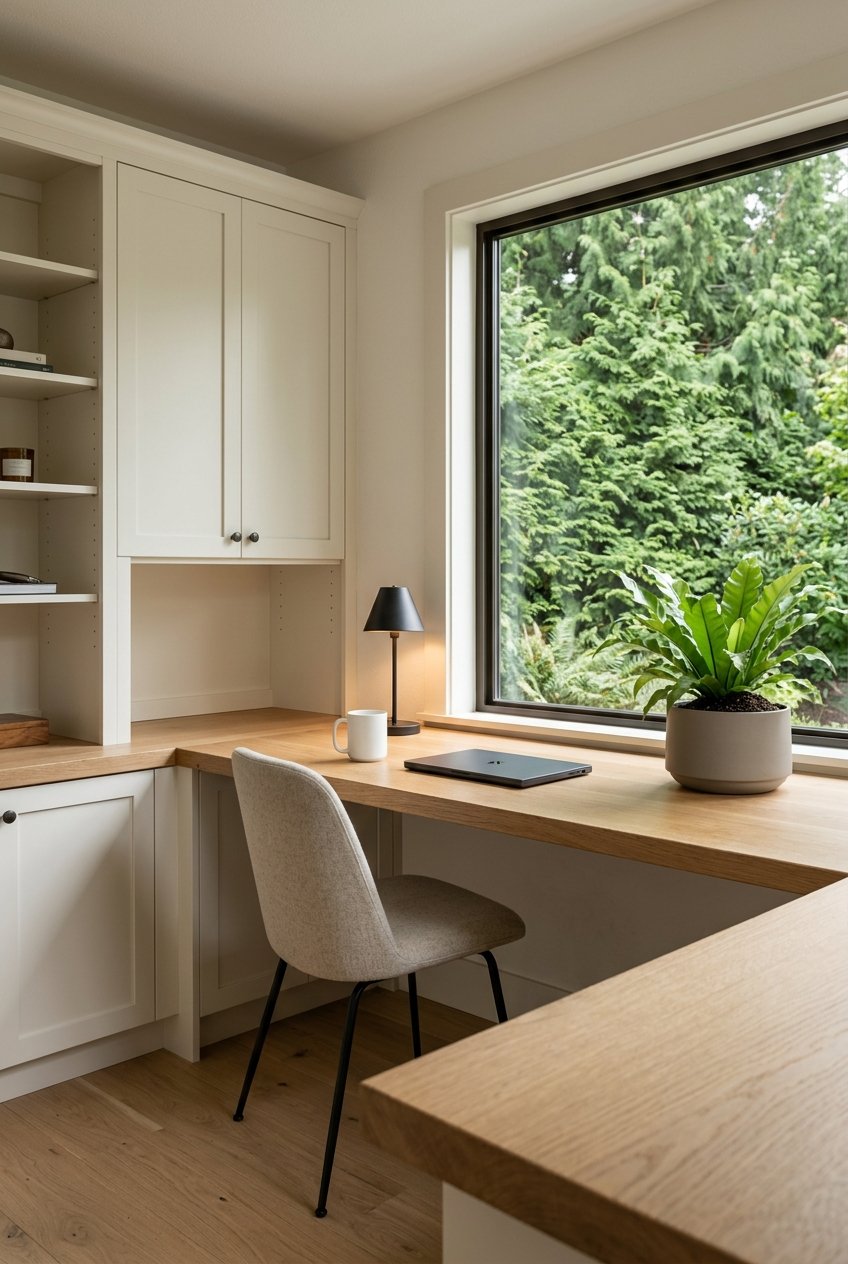
If you work remotely or run a small business from home, Stanwood may appeal to you for another reason. The city says home businesses are welcomed in residential neighborhoods.
That does not replace checking current local rules for a specific property or use, but it does show that at a city level, working from home is part of the local picture. For many buyers today, that flexibility matters just as much as commute routes.
Housing Options in Stanwood
When you look at housing in Stanwood, the biggest theme is variety within a small-city footprint. The market is still led by traditional single-family homes, but city planning and current development activity point to a broader range of options over time.
ACS 2019 through 2023 estimates show a 67.8% owner-occupied housing rate in Stanwood. The same data shows a median value of $547,400 for owner-occupied homes and a median gross rent of $1,625.
Those numbers help frame the market, but the lived experience comes down to what the housing stock actually looks like. In Stanwood, single-family homes make up roughly three-quarters of the housing stock, according to the city’s housing analysis.
Single-Family Homes Lead the Market
If you are searching for the most common housing type in Stanwood, it is single-family housing. That is a major reason many buyers see Stanwood as a place to look for more traditional neighborhood settings and detached-home options.
This also means sellers of single-family homes are working within the city’s most established housing category. When a market has a strong base of similar housing, pricing and positioning become especially important.
Multifamily and Compact Housing Are Part of the Mix
Single-family homes may dominate, but they are not the whole story. The city’s analysis shows the next-largest segment is multifamily buildings with five or more units, while duplexes and smaller multifamily buildings make up a smaller share.
For you, that means Stanwood is not limited to one type of living arrangement. Renters, first-time buyers, downsizers, and buyers looking for lower-maintenance options may find more variety than the city’s size initially suggests.
Cottage Housing and Planned Development Matter Here
Stanwood’s housing policy is notably broad for a smaller city. The city says single-family homes are allowed across all residential zones, and cottage housing is widely allowed.
The comprehensive plan also calls for a range of housing types, mixed residential densities in subdivisions and planned developments, and larger lots where appropriate. That creates room for housing choices beyond a standard subdivision pattern.
Larger Lots and Edge-of-Town Settings Also Exist
The city states that larger lots are appropriate where demand exists and transit service is less accessible. It also promotes large-lot development away from the business district.
In practical terms, that supports the idea that some buyers may find semi-rural or small-acreage style settings closer to the edges of town or within the Urban Growth Area. If you want a property that feels more open while staying connected to Stanwood’s services and events, this is part of what makes the area appealing.
New Development Is Still Shaping Stanwood
Stanwood is not frozen in time. Recent city notices show active development activity, which is important if you are hoping for newer construction or want to understand where the housing mix may be headed.
Examples include Cedarside Commons, a project that combines apartments, townhomes, retail, and office space. The Viking Village project proposes townhomes in a mixed-use setting, and Meadow Hawk is a planned residential development that would add a large number of single-family lots.
This tells you two things. First, newer subdivision-style housing remains part of Stanwood’s growth pattern. Second, more compact and mixed-use housing types are also entering the conversation.
Who Stanwood May Appeal To
Stanwood can fit several different buyer profiles depending on what matters most to you. Its appeal is less about fast-paced urban living and more about balancing community connection, outdoor access, and a range of housing possibilities.
You may want to take a closer look at Stanwood if you are looking for:
- A small-city setting with an active community calendar
- Parks, trails, and practical outdoor recreation close to home
- A market where single-family homes are still the dominant option
- Newer planned developments and some compact housing choices
- Access to regional job centers without living in a denser city
- Potential for larger-lot or lifestyle-oriented properties on the edges of town
What Buyers and Sellers Should Keep in Mind
For buyers, Stanwood offers a combination that can be hard to find in one place. You get a compact city feel, regular community events, useful park access, and housing options that range from established single-family neighborhoods to newer development opportunities.
For sellers, Stanwood’s variety means your home should be positioned carefully within its specific segment. A cottage-style home, a traditional single-family property, a newer townhome, and a larger-lot property may all attract different buyers, even within the same city.
That is where local context matters. Understanding how a home fits into Stanwood’s everyday lifestyle, growth pattern, and housing mix can help you make better decisions whether you are buying, selling, or relocating.
If you are thinking about a move in Stanwood or anywhere nearby in Snohomish County, Tate Campbell can help you sort through your options with clear, local guidance and a personalized plan.
FAQs
What is everyday life like in Stanwood, WA?
- Everyday life in Stanwood centers on a small-city setting with community events, local parks, seasonal traditions, farmers market days, and easy access to outdoor spaces.
What types of homes are available in Stanwood, WA?
- Stanwood housing is led by single-family homes, with additional options that include multifamily housing, cottage housing, townhome-style planned developments, and some larger-lot settings farther from the business district.
Is Stanwood, WA a good place for buyers who want outdoor access?
- Stanwood offers a strong local park system that includes Heritage Park, Church Creek Park, Hamilton Landing Park, the Port Susan Trail, and other public open spaces that support regular outdoor recreation.
Are there new housing developments in Stanwood, WA?
- Yes. Recent city notices highlight projects such as Cedarside Commons, Viking Village, and Meadow Hawk, showing that both newer single-family and more compact housing options are part of the development pipeline.
Does Stanwood, WA have commute options for regional travel?
- Stanwood is less than one hour north of Seattle according to the city, and the city said in September 2024 that Community Transit route 905 provides express service to and from Lynnwood City Center Station.
Is Stanwood, WA a good fit for remote workers?
- Stanwood may appeal to remote workers because the city says home businesses are welcomed in residential neighborhoods, and the community offers a mix of local services, parks, and regional access.