Wondering what it actually feels like to live in Snohomish day to day? If you are thinking about moving here, relocating within Snohomish County, or simply trying to picture your routine in a new place, that question matters more than any listing photo. The good news is that Snohomish offers a mix of small-city convenience, historic character, riverfront access, and a pace that feels grounded in everyday life. Let’s take a closer look.
Snohomish Has a Small-City Rhythm
Snohomish is a small city of 10,719 residents and 4,453 households, which helps explain why daily life often feels more personal and easier to navigate than in a larger urban area. Census data also show a wide age mix, with 18.4% of residents under 18 and 20.1% age 65 or older.
That range shapes the feel of the city. You are not stepping into a place built around just one life stage or one type of household. Instead, Snohomish tends to feel lived-in, established, and steady.
The city’s comprehensive plan describes Snohomish as a self-sufficient community where residents can live, work, and play. In practical terms, that points to a place where your day can include errands, meals, recreation, and community events without always feeling like you need to leave town.
Downtown Snohomish Feels Active and Walkable
One of the clearest parts of everyday life in Snohomish is the role downtown plays. The historic downtown sits on the riverbank and serves as both a shopping district and a community gathering place.
In the Historic District, many commercial buildings date from roughly 1880 to 1930 and often mix retail, restaurants, lodging, offices, and residential uses. That blend gives the area a layered, active feel rather than a single-purpose business strip.
The city describes sidewalks, alleys, mature street trees, and pedestrian activity as defining features of the Historic District. If you enjoy places where you can walk a few blocks, stop into a local shop, and stay connected to the setting around you, that is a meaningful part of Snohomish life.
Community Events Shape the Calendar
Downtown is not just where people shop or grab coffee. It is also where many community traditions show up throughout the year.
The city specifically identifies Kla Ha Ya Days, the Snohomish Farmers Market, the Snohomish Block Party, and the Snohomish Art Walk as part of downtown’s role as a gathering place. For many residents, everyday life includes being close to these kinds of local events, whether you attend regularly or simply enjoy the energy they bring to town.
Local Business Is Part of the Experience
Snohomish zoning defines a Historic Business District with pedestrian-oriented commercial services, offices, specialty shops, and entertainment uses. That tells you something important about how the city wants this area to function.
Rather than feeling dominated by one use, downtown is intended to support a mix of daily needs and leisure activity. That variety can make your routine feel a little more connected and a little less car-dependent, especially near the city core.
Outdoor Access Is Built Into Daily Life
For many buyers, lifestyle is not just about the house. It is about what you can do before work, after dinner, or on a slow weekend morning. In Snohomish, parks, trails, and riverfront spaces are part of that picture.
The city says it has about 170 acres of parks and open space within city limits. That is a meaningful amount of room for walking, sitting outside, meeting up with friends, or letting kids burn off energy.
Riverfront spaces like Kla Ha Ya Park and Pilchuck Park add benches, picnic tables, trail access, water views, sports fields, and playgrounds to the daily routine. Even if you are not planning every weekend around recreation, having these places nearby can change how a normal day feels.
Riverfront Walks Are Easy to Reach
The Riverfront Trail is a 0.3-mile paved path along the north bank of the Snohomish River from Avenue D to Cady Park. The city describes it as a quieter walking route, with access from the public gazebo on Avenue A and from Kla Ha Ya Park.
That kind of short, scenic path matters in real life. It gives you an easy option for a quick walk, a break in the day, or a simple outing without needing a major plan.
Longer Trail Time Is Nearby
If you want more distance, the 30-mile Centennial Trail starts in Snohomish and supports walking, bicycling, and hiking. On unpaved portions in unincorporated county land, horseback riding is also allowed.
This is one of the reasons Snohomish can appeal to people who want a balance of in-town living and outdoor access. You can enjoy a compact historic core and still stay connected to longer recreational routes.
Housing Feels Varied, Not One-Note
One thing many buyers notice about Snohomish is that the housing stock does not feel overly uniform. The city’s planning documents support a wide variety of housing types and densities, while also recognizing that single-family homes remain the primary form of housing stock.
That means your options may include traditional single-family neighborhoods, multifamily areas, and mixed-use settings depending on what kind of routine and home style you want. It also means Snohomish can work for different stages of life, from first-time buyers to move-up buyers to people looking for a lower-maintenance setup.
Current Census data show an owner-occupied housing rate of 55.4%, a median owner-occupied home value of $683,900, and median gross rent of $1,654. Those numbers help frame the local housing landscape as you compare Snohomish with other nearby markets.
Historic Homes Add Character
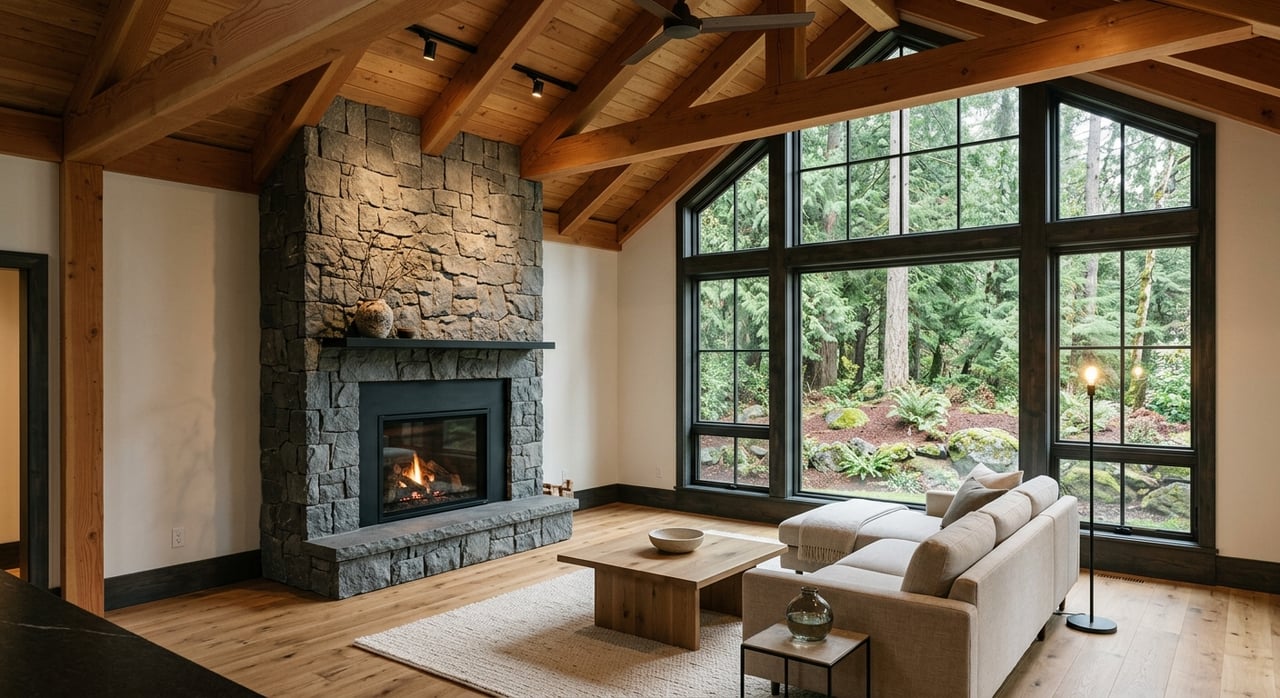
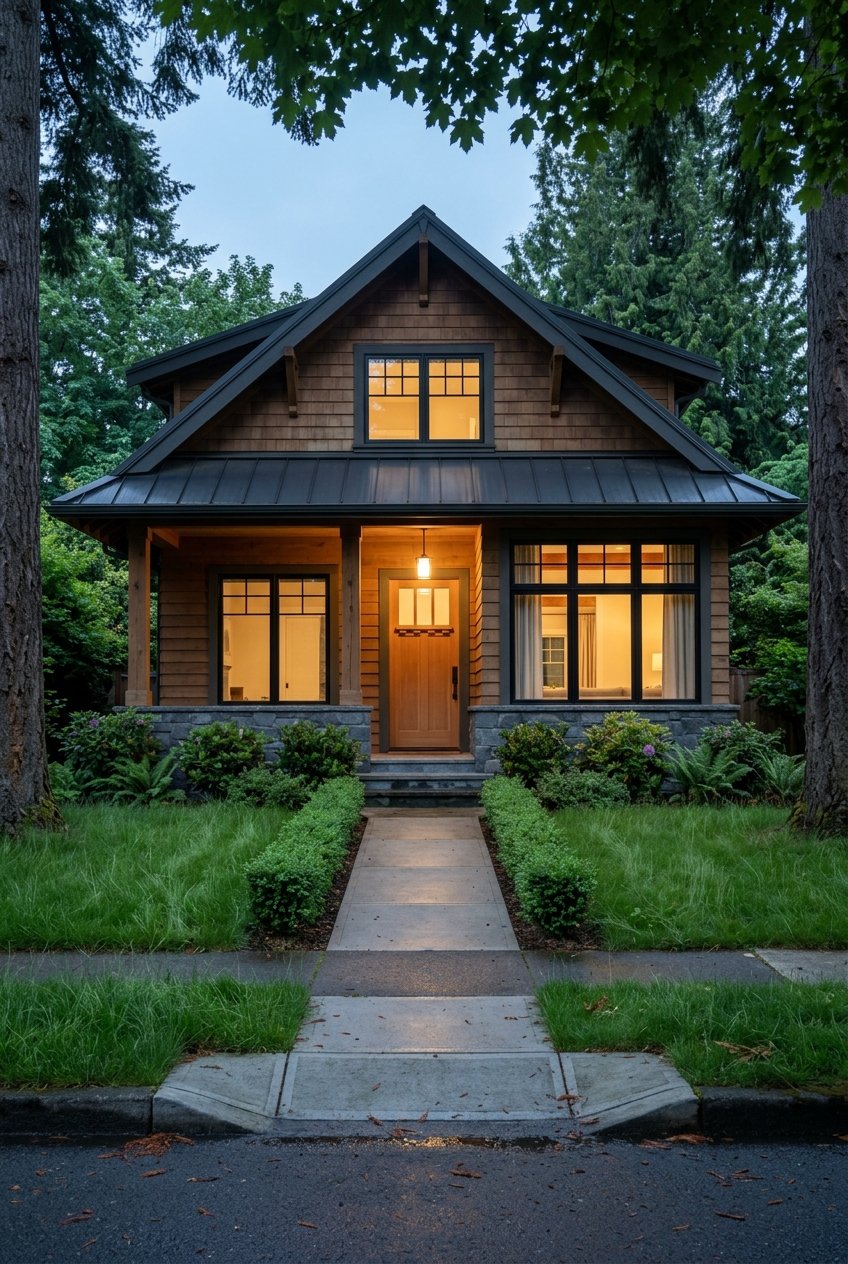
In the Historic District, homes date from the 1860s to the present. The city identifies styles including Craftsman Bungalow, Queen Anne Victorian, Shingle, Beaux Arts, Gothic Revival, Italianate, Cottage, Colonial Revival, and Stick/Eastlake.
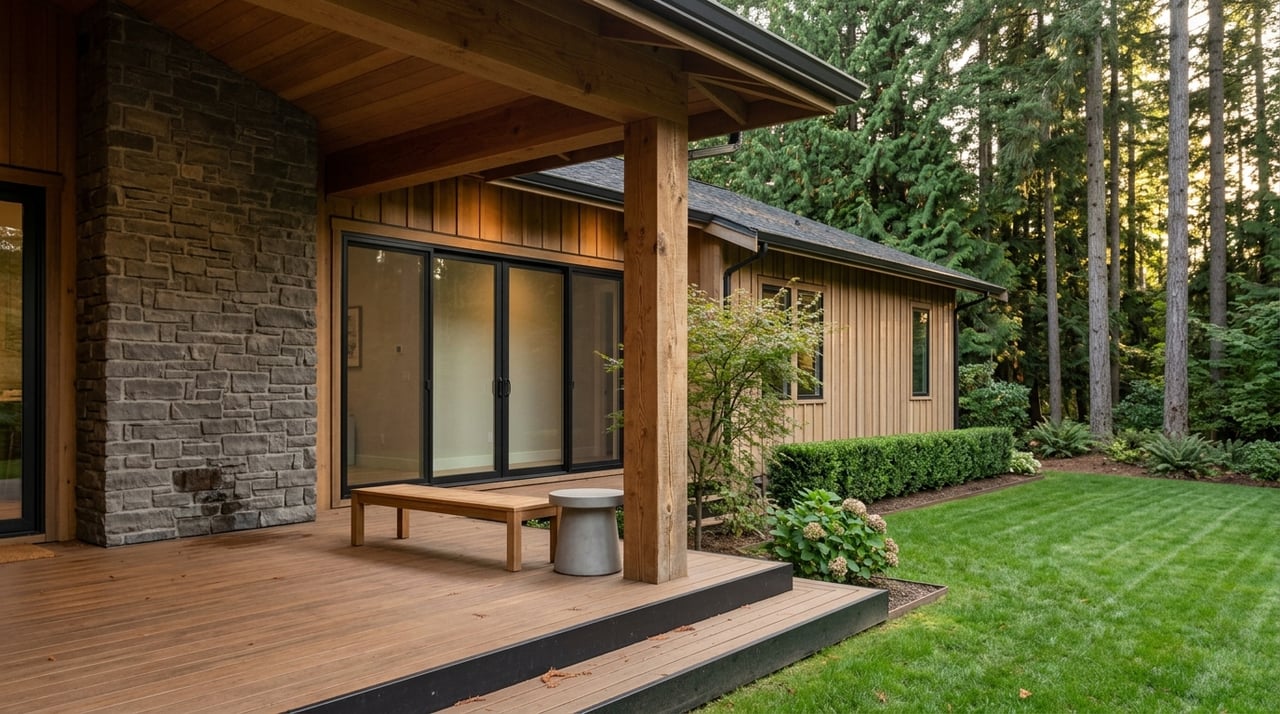
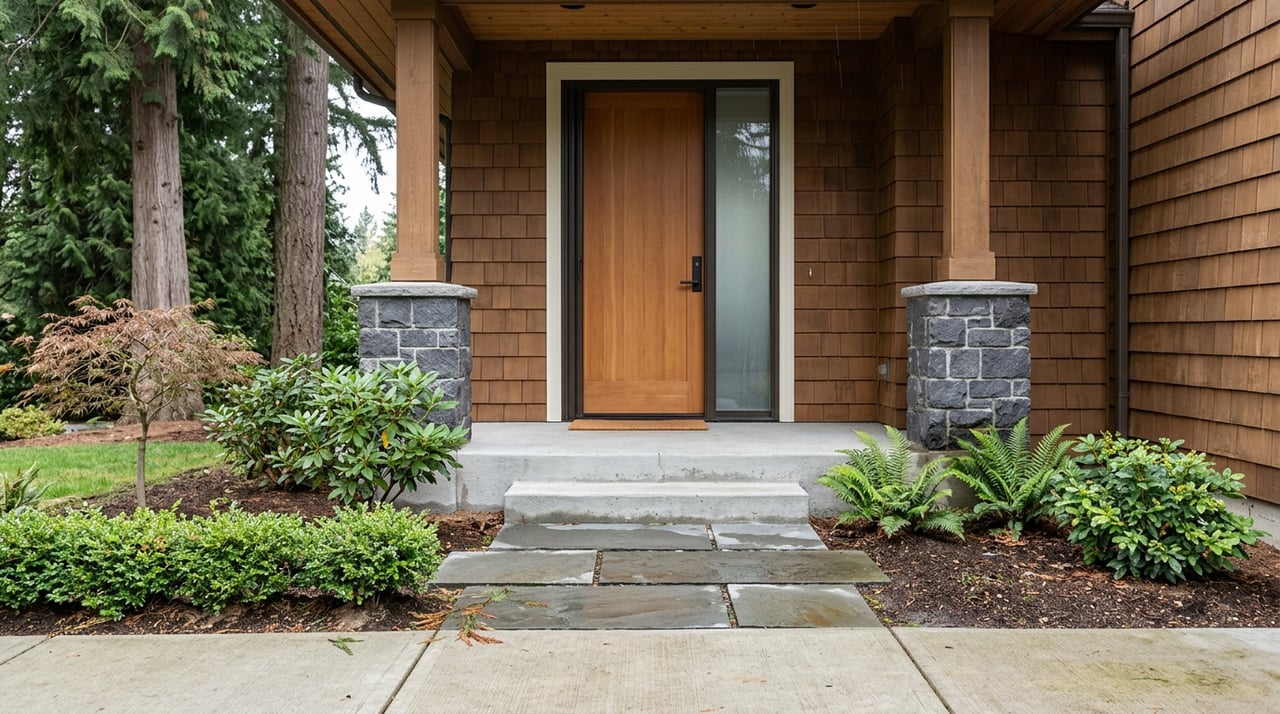
You will also see recurring features like porches, alley access for garages or sheds, and generous yards. If you are drawn to homes with visible architectural detail and a sense of place, this part of Snohomish often stands out.
Mixed-Use Areas Offer Different Lifestyles
Snohomish zoning includes single-family residential districts, low-, medium-, and high-density multifamily districts, plus mixed-use areas such as Pilchuck and Midtown. The Pilchuck District is described by the city as a pedestrian-friendly, higher-density mixed-use neighborhood with single-family and townhouse subzones.
That variety matters because everyday life looks different depending on where you land. Some buyers want to be closer to downtown activity, while others want a more traditional residential setting or a property with a semi-rural feel nearby.
The Broader Area Adds a Semi-Rural Feel
Snohomish County reports that the county is 68% forest land, 18% rural, and 5% agricultural. While that figure applies to the county, not just the city, it helps explain why many people associate the broader Snohomish area with more space, greenery, and lifestyle properties.
For buyers coming from denser areas, that nearby land mix can be part of the appeal. You may find that even when you live close to town, the surroundings still feel more open than expected.
Everyday Logistics Stay Manageable
Lifestyle is one part of the story, but daily logistics matter too. Census data show a mean commute time to work of 29.1 minutes, giving you a helpful snapshot of what work travel can look like for local residents.
The city’s transportation planning emphasizes safer walking, bicycling, transit access, and better parking. Second Street is also described as a key east-west connector linking State Route 9 and U.S. Highway 2, which matters when you are thinking through errands, commuting patterns, or weekend travel.
In everyday terms, Snohomish tends to offer a blend of small-city movement and regional access. You can enjoy a place with local identity while still staying connected to surrounding job centers and nearby towns.
School Boundaries Depend on Address
If schools are part of your move, it is important to know that the Snohomish School District uses address-based boundaries to assign schools. The district’s feeder patterns show that some Snohomish-area students attend Centennial Middle School and Snohomish High School, while others attend Valley View Middle School and Glacier Peak High School.
Because assignments depend on location, it helps to verify a specific address when comparing homes. That step can give you a clearer picture of how a property fits your household’s routine and planning needs.
What Daily Life in Snohomish Often Feels Like
When you put all of this together, Snohomish often feels like a place where history, convenience, and outdoor access overlap. You have a downtown that functions as both a commercial center and a gathering place, parks and trails that are easy to fold into daily life, and a housing mix that supports different budgets and routines.
For some people, that means morning walks near the river and errands downtown. For others, it means a historic home with a porch, a townhouse in a pedestrian-oriented area, or a property that connects more closely to the county’s semi-rural setting.
If you are trying to decide whether Snohomish is the right fit, the biggest takeaway is this: everyday life here is less about one single lifestyle and more about balance. You get community character, practical access, and a strong sense of place in one of Snohomish County’s most recognizable cities.
If you want help figuring out which part of Snohomish best fits your day-to-day routine, housing goals, and move timeline, Tate Campbell is here to help with local guidance and personalized support.
FAQs
What is daily life like in Snohomish, WA?
- Daily life in Snohomish often includes a small-city pace, walkable downtown amenities, local events, riverfront parks, and access to trails, with a mix of historic character and practical convenience.
What is downtown Snohomish like for everyday living?
- Downtown Snohomish is a riverfront historic district with shops, restaurants, offices, and community events, plus sidewalks, mature street trees, and pedestrian-oriented activity.
What kinds of homes can you find in Snohomish, WA?
- Snohomish includes single-family homes, multifamily housing, mixed-use areas, townhouses in some districts, and historic homes with architectural styles that date from the 1860s to the present.
Are there parks and trails in Snohomish for daily recreation?
- Yes. The city has about 170 acres of parks and open space, including riverfront parks, the Riverfront Trail, and access to the 30-mile Centennial Trail.
How do school assignments work in Snohomish, WA?
- The Snohomish School District uses address-based boundaries, so school assignments vary by property location and should be verified for any specific address.
Is Snohomish a good option for buyers who want a small-city feel?
- Snohomish may appeal to buyers who want a smaller-city setting with a historic downtown, community events, outdoor access, and housing choices that range from traditional neighborhoods to mixed-use and nearby semi-rural areas.