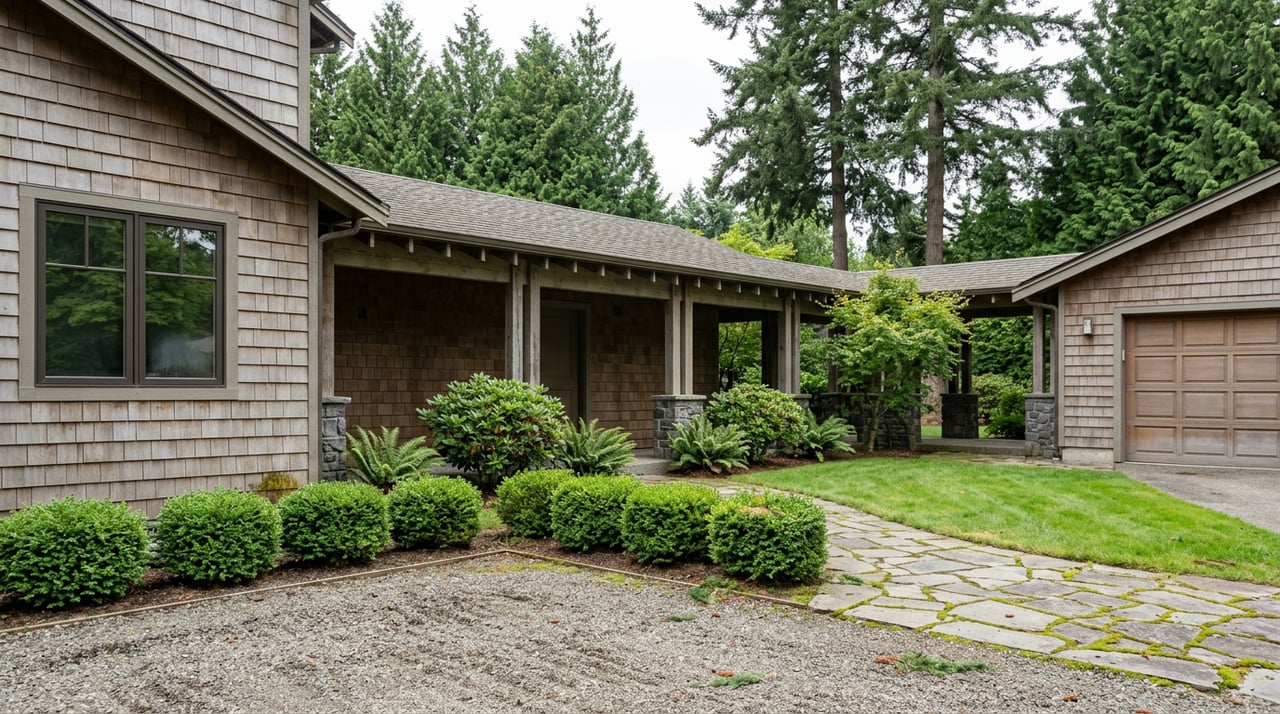
Trying to make sense of Snohomish’s housing market? You’re not alone. Between shifting mortgage rates, seasonal swings, and local demand from commuters, it can be hard to know when to act. This guide breaks down the key trends buyers and sellers should watch so you can move with confidence. You’ll learn how to read prices, inventory, days on market, and the local factors that shape demand. Let’s dive in.
Snohomish price trends: what to watch
Understanding price direction helps you set the right expectations before you write an offer or set a list price.
Median price and price per square foot
- Focus on the median sale price and the price per square foot for Snohomish city and nearby areas. The median tells you where the middle of the market sits, while price per square foot helps you compare different home sizes and property types.
- Look at both the latest monthly snapshot and a 12-month rolling trend. The rolling view smooths normal seasonal spikes and gives you a truer picture of direction.
- Snohomish often echoes regional patterns in the Seattle–Bellevue–Everett metro, with local twists based on inventory and commuter demand. That means national headlines may not match what you see on the ground here.
Seasonality and volatility
- Expect more listings and activity in spring and early summer, and fewer new listings in late fall and winter. This seasonal rhythm can affect prices and negotiation room.
- Month-to-month medians can jump when the sample size is small. If you see a sudden change, compare it to the 12-month trend before making a decision.
Inventory and market balance
Inventory tells you who has the leverage.
Months of inventory explained
- Months of inventory is active listings divided by the pace of monthly sales. It’s a simple way to gauge balance.
- As a rule of thumb: less than about 3 months often favors sellers, around 3 to 6 months is more balanced, and more than 6 months can favor buyers.
- In tight conditions, well-prepared listings can see faster timelines and stronger offers. When supply builds, buyers gain time and negotiating options.
Active vs new listings
- Track both active listings and new listings. Active shows what buyers can pick from today. New listings tell you how much fresh inventory is entering the market.
- If new listings rise faster than sales, inventory builds. If sales outpace new supply, competition can heat up.
Speed and competitiveness
Two quick signals help you understand market tempo.
Days on market
- Median days on market shows how quickly homes are going under contract. Shorter timelines point to stronger demand, while longer timelines suggest buyers may have more room to negotiate.
- Compare DOM by property type and price band. For example, renovated homes near commuter routes may move faster than outliers on size or condition.
Sale-to-list price ratio
- The sale-to-list ratio shows what buyers are paying relative to asking prices. Ratios above 100 percent suggest multiple-offer pressure. Ratios below 100 percent point to more frequent price reductions or negotiation space.
- Pair this with DOM for a clearer read. Short DOM and high ratios indicate a hot micro-market. Longer DOM and softer ratios signal room to be selective.
Demand drivers in Snohomish
Local demand is shaped by affordability, jobs, and commuting.
Mortgage rates and affordability
- Mortgage rates are the main throttle on buyer activity. Rising rates can cool demand and increase time on market. Falling rates can bring sidelined buyers back and tighten inventory.
- If you’re buying, compare your monthly payment at two different rate scenarios to set a clear budget. If you’re selling, adjust your pricing and prep based on current affordability.
Jobs and commuting patterns
- Jobs across aerospace, healthcare, and tech influence Snohomish buyer pools. Proximity to employers in Everett, Seattle, and Bellevue matters, and commuting routes like I-5 and SR-9 help shape demand for different areas of town.
- Watch local employment updates. Job stability and growth support housing demand, while slowdowns can reduce competition.
New construction and permits
New supply can relieve pressure, but it takes time.
- Building permits are a leading indicator of future inventory. A permit today may translate to completed homes months or even years later.
- Check activity in both Snohomish city and the broader county. Subdivisions, infill projects, and multifamily development can change the balance in specific price bands.
- When new communities release phases, nearby resale listings often adjust pricing or presentation to compete.
Micro-markets and property types
Not all Snohomish homes perform the same. Knowing your micro-market helps you price and negotiate with precision.
Historic downtown vs newer subdivisions
- The historic district features older homes with unique architecture and varying levels of renovation. Condition, parking, and walkability can drive showing activity.
- Newer subdivisions typically offer more standardized layouts and finishes. These homes may draw buyers seeking move-in-ready condition and easier maintenance.
- List and buy with local comps that match your property’s age, size, lot, and location. The right set of comparables matters more than a citywide average.
Single-family vs condo and townhome
- Single-family homes near key commuter corridors often draw strong interest from move-up buyers and relocating households.
- Condos and townhomes can follow different cycles. They may offer more approachable entry points for first-time buyers and downsizers. Expect different days on market and sale-to-list ratios than detached homes.
Buyer strategy: how to compete smart
If you’re planning to buy in Snohomish, set a plan that fits the current tempo.
- Get pre-approved with a local lender before touring. You need clear payment numbers to act quickly if the right home hits.
- Ask for a hyper-local comp set based on the past 30 to 90 days, plus competing actives and pendings. This helps you decide if an offer should include an escalation or if patience could save you money.
- Right-size your contingencies. In faster segments, lean on shorter timelines and strong communication rather than waiving protections you need. In slower segments, you can often negotiate inspection credits or seller-paid repairs.
- Time your search to seasonality. Spring often brings more choice, while off-peak months can offer less competition. Balance selection against your urgency to move.
- Watch for price reductions and back-on-market listings. These are signals of negotiation space or fresh opportunity.
Seller strategy: how to list with confidence
To maximize your sale, think pricing, presentation, and timing.
- Set a pricing strategy using the latest closed comps and the current active competition. Good pricing attracts the right buyers early and protects your bottom line.
- Prioritize presentation. Thoughtful staging, pro photography, and clean yard work can boost showing traffic and perceived value. Many Snohomish buyers respond well to move-in-ready condition.
- Launch with a plan for the first 10 days on market. Align showings, open houses, and marketing so you capture early demand.
- If inventory is low, you may be able to push on price and terms. If inventory builds, focus on being the best value in your micro-market.
- Be flexible on timing. Seasonal windows and interest rate moves can shift buyer urgency. Adjust your target list date if it helps you meet your goals.
Regional context: Snohomish vs nearby cities
Understanding where Snohomish fits in the metro helps you calibrate expectations.
- Snohomish city prices are often lower than many parts of King County and higher than more rural parts of Snohomish County. This makes the city a draw for move-up buyers, first-time buyers stepping out of King County, and commuters.
- Market tempo can be more seasonal than the urban core. Expect spring to be busy and winter to be quieter, with notable exceptions when rates move sharply.
- Compare metrics with nearby Everett, Mill Creek, and Seattle when you are pricing or writing an offer. Local nuances in stock and commute appeal can shift competitiveness.
Signals to watch this year
Stay focused on a few leading indicators. They will tell you where the market is heading.
- Mortgage rates. Even small changes can shift affordability and buyer urgency.
- Months of inventory. Rising inventory can tip leverage toward buyers. Falling inventory can tighten competition.
- Sale-to-list price ratio. Watch for moves above or below 100 percent in your target price band.
- Building permits and new project announcements. New supply can change conditions later in the year.
- Local employment news. Hiring or slowdowns in aerospace, healthcare, and tech can impact demand.
How to use the data without getting lost
You do not need to track every metric every week. Focus on a simple dashboard and update it monthly.
- Prices: median sale price and price per square foot, monthly and 12-month rolling.
- Supply and demand: active listings, new listings, closed and pending sales.
- Balance and speed: months of inventory, days on market, sale-to-list price ratio.
- Micro-market fit: property type, neighborhood, and your price band.
A clear view of these items will help you decide whether to act now, refine your target, or wait for a better fit.
Ready for a local game plan?
Whether you are buying your first home, moving up, or preparing to sell, you deserve advice grounded in Snohomish’s on-the-ground reality. If you want a calm, clear plan that fits your timeline and budget, reach out to Tate Campbell to schedule a free consultation.
FAQs
Are Snohomish home prices rising or falling right now?
- Track the latest monthly median and the 12-month trend to see direction, then layer in mortgage rates and inventory to understand whether competition is heating up or cooling.
How long does it take to sell a house in Snohomish?
- Look at the recent median days on market for comparable homes in your neighborhood and price band, and remember that well-priced, well-presented homes can beat the median.
Should I wait for mortgage rates to drop before buying in Snohomish?
- Weigh payment savings from lower rates against the risk of rising prices or tighter competition, and consider lock options from your lender to protect your budget.
Is new construction affecting the Snohomish housing market?
- Permits signal future supply, but completions take time; watch for subdivision releases and new phases that may add options or influence pricing in specific segments.
How does Snohomish compare to Everett and Seattle for buyers and sellers?
- Snohomish often offers more affordability than many King County areas and slightly different seasonality than urban cores, so compare price, inventory, and DOM across all three before you act.
What should first-time buyers in Snohomish expect?
- Expect seasonal swings in selection, different tempos by property type, and the need for a strong pre-approval and clear comp set so you can write a confident, competitive offer when the right home appears.