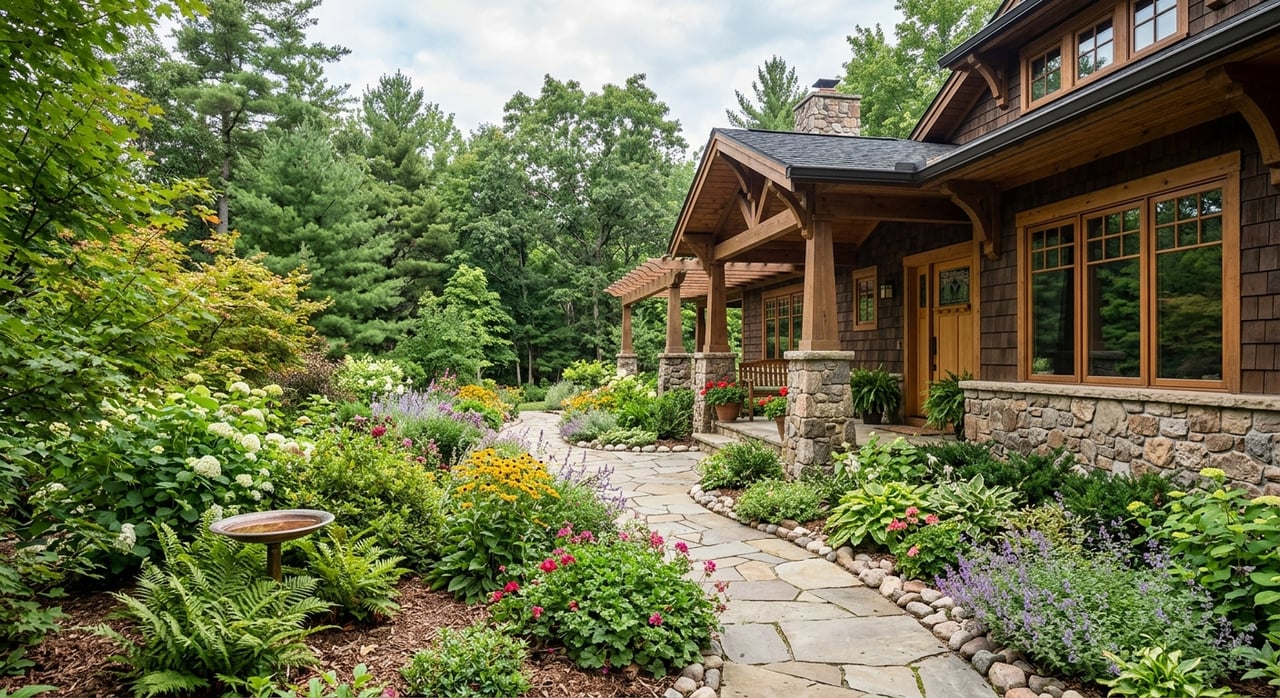
If your ideal home life includes trail walks, garden projects, and easy access to water and open space, Sunnyside in Marysville deserves a closer look. This part of the city offers a setting shaped by woods, ravines, wetlands, and westward views, yet it still keeps you connected to everyday errands and regional routes. If you are trying to picture what outdoor-focused living really looks like here, this guide will walk you through the landscape, housing feel, recreation options, and day-to-day convenience. Let’s dive in.
Why Sunnyside Feels Outdoors-First
Sunnyside sits in Marysville’s southeast to south-central area, and the city describes it as a place defined by westward views, ravines, woods, and the Ebey Slough floodplain. That means nature is not just a nearby bonus here. It is part of the neighborhood’s basic character.
The area also has a longer local identity than many newer neighborhoods. Sunnyside is an older place name that predates Marysville itself, which gives it a sense of history and local roots that can appeal to buyers looking for something more established.
Water and habitat also play a major role in the neighborhood story. City planning documents note that part of the lowland area has been acquired for estuarine wetland restoration, reinforcing the idea that open space, drainage patterns, and natural systems shape how this area looks and feels.
Where Sunnyside Sits in Marysville
Marysville says it is located on the Snohomish River, bordered by Puget Sound and the Cascade Mountains. Official city materials place Marysville about 35 miles north of Seattle and 5 miles north of Everett along the I-5 corridor.
For you as a buyer, that creates an appealing balance. Sunnyside can offer a more scenic, lower-density feel while still keeping you within reach of larger job centers, shopping areas, and regional connections.
This setting helps explain why Sunnyside stands out to people who want breathing room without feeling cut off. You are not choosing between access and atmosphere as sharply as you might in a more remote location.
What the Landscape Means Day to Day
Sunnyside Creek and Ebey Slough are part of Marysville’s watershed system, according to the city’s surface-water planning. That may sound technical, but in practical terms it helps explain why wetlands, drainage features, habitat areas, and green corridors are such visible parts of the neighborhood environment.
In everyday life, that often translates into a stronger connection to seasonal changes and natural surroundings. You may notice more variation in terrain, more wooded edges, and more reminders that the land here has its own shape and rhythm.
For many buyers, that is the appeal. Sunnyside does not read like a flat, uniform subdivision. It feels more landscape-led, with nature influencing the layout and experience of the area.
Housing Character in Sunnyside
The city’s Sunnyside land-use plan says single-family residential is the predominant use in the neighborhood. It includes both medium-density and high-density single-family areas, which suggests a range of home settings rather than a single one-size-fits-all pattern.
The same plan also notes agricultural lands west and south of Sunnyside Boulevard that remain available for potential small farms. That is one of the clearest official signs that parts of the area may still carry a larger-lot or semi-rural feel.
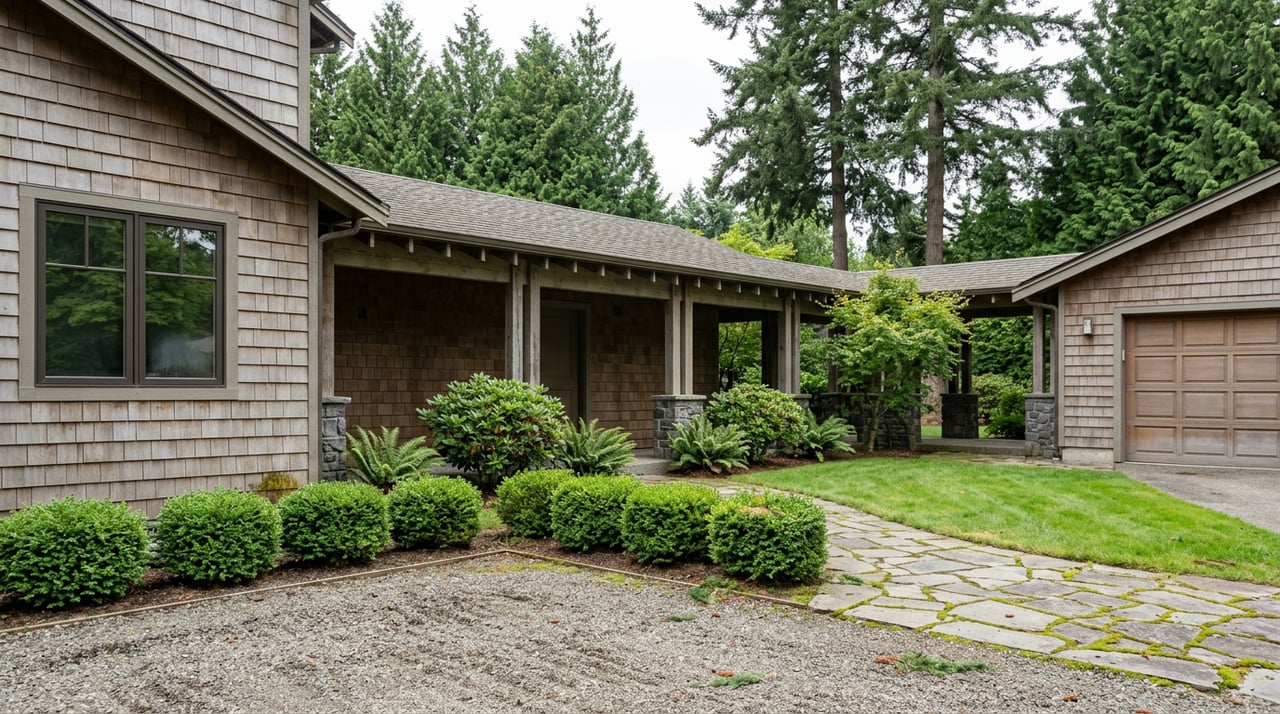
If you are drawn to outdoor-focused living, this matters. A setting with room for gardening, hobbies, outdoor storage, or simply a bigger yard can be a major lifestyle upgrade, especially if you want more usable space around your home.
A Neighborhood Still Evolving
The adjacent East Sunnyside and Whiskey Ridge planning area adds more context. The city describes that area as having steep hillsides, ravines, woods, and westward views, while also planning for recreation, transportation, and neighborhood commercial improvements.
That tells you Sunnyside is not frozen in time. It still carries strong natural character, but it is also part of a growing area where connectivity and local amenities continue to improve.
For buyers, this can be a sweet spot. You get a neighborhood with a landscape-driven identity, plus signs that the city is continuing to invest in how people move through and use the area.
Ebey Waterfront Trail Adds Major Appeal
One of the biggest outdoor draws tied to Sunnyside is the Ebey Waterfront Trail. Marysville describes it as a six-mile regional destination that connects users to Qwuloolt Estuary, Ebey Waterfront, several city parks, and downtown Marysville.
That kind of trail access can shape your weekly routine in a real way. Instead of needing to plan a special outing, you have a built-in place for walking, biking, and getting outside close to home.
The city also says future phases will complete the loop and provide pedestrian access between downtown Marysville and Sunnyside. That continued buildout strengthens the case for buyers who value both recreation and walkable connections.
Jennings Park Supports Everyday Recreation
Jennings Memorial Park and Jennings Nature Park are another major part of Sunnyside’s outdoor lifestyle. City materials highlight trails, a fishing pond, playgrounds, an arboretum, a WSU master garden, and the 3.4-mile Jennings Loop Walk.
This mix gives the area broad appeal without relying on one single amenity. You can enjoy a quiet trail, spend time outdoors near landscaped garden spaces, or head to the park for a more active afternoon.
For buyers who want outdoor living to feel practical and repeatable, this matters. The best neighborhood amenities are often the ones you will actually use on an ordinary Tuesday, not just once in a while.
Water Access Changes the Weekend Rhythm
Ebey Waterfront Park brings another layer to the lifestyle. Marysville says the park provides boat-launch access into the Snohomish River Delta and is used for motorized boating, kayaking, and canoeing.
That water access helps Sunnyside feel different from a standard suburban neighborhood. If you like the idea of launching a kayak, getting out on the water, or building weekends around outdoor activity, this is a meaningful part of the location.
Even if you are not a regular boater, proximity to water-oriented recreation can shape how a place feels. It adds motion, scenery, and a stronger connection to the region’s natural setting.
Trails and Day Trips Beyond the Neighborhood
Marysville’s recreation map also points to access to the Centennial Trail, which the city describes as 17 paved miles used for walking, bicycling, hiking, and horseback riding. That gives you another option if you want longer outings or more variety in your routine.
The seasonal Mountain Loop Scenic Highway adds a different kind of outdoor benefit. City materials describe it as a day trip route through rivers, old-growth forests, and mountain scenery, which fits well with the broader North Snohomish County lifestyle.
Taken together, these amenities help make Sunnyside feel like a strong basecamp. You can enjoy local trails and parks during the week, then branch out for bigger outdoor adventures when the weekend arrives.
Convenience Still Matters
Outdoor living works best when it does not make everyday life harder. Marysville points to downtown shopping, Lakewood Crossing, and the Marysville branch of Sno-Isle Libraries as part of the city’s local convenience mix.
That balance is a big part of Sunnyside’s appeal. You can prioritize open space and recreation without giving up the practical places that support daily routines.
For many buyers, that combination is the goal. You want a home that feels peaceful and nature-connected, but you also want errands, services, and community resources to stay within reasonable reach.
Transit and Regional Access
Sunnyside is not isolated from the rest of the region. Community Transit says Marysville riders can reach Everett Station or Lynnwood City Center Station and connect onward to Bellevue through Sound Transit service.
That is useful context if your work, family, or social life stretches beyond Marysville. Access does not look the same here as it would in a more urban neighborhood, but regional connections are still part of the picture.
This is especially relevant for buyers relocating from denser areas. Sunnyside can offer a different pace and setting while still keeping you tied into broader commuting and travel options.
Local Improvements to Watch
The city is also making targeted improvements that support better neighborhood connections. A current project at Sunnyside and 53rd will add a signal and shared-use path connecting Jennings Park trails to the Ebey Waterfront Trail system.
Another Ebey Waterfront Trail phase is planned to close the remaining Sunnyside Boulevard gap. These improvements matter because they make outdoor amenities easier to use in real life, not just nice to have on a map.
If you are thinking long term, public investment like this can be meaningful. It shows continued attention to how people walk, bike, and move through the area.
Who Sunnyside May Fit Best
Sunnyside can be a strong match if you want a home environment that supports outdoor hobbies and a little more breathing room. Buyers who enjoy gardening, trail access, water recreation, or a more scenic setting may find the neighborhood especially appealing.
It can also make sense if you want a Marysville location that feels connected to nature without stepping fully away from city services and regional access. That blend is not always easy to find.
The best way to think about Sunnyside is as a lifestyle choice as much as a location choice. If you want your surroundings to shape how you spend your free time, this area offers a lot to explore.
If you are considering Sunnyside or anywhere in Marysville, working with a local expert can help you compare home styles, lot settings, and neighborhood tradeoffs with more clarity. When you are ready to talk through your goals, Tate Campbell is here to help.
FAQs
What is outdoor-focused living in Sunnyside, Marysville?
- Outdoor-focused living in Sunnyside means living in a part of Marysville shaped by woods, ravines, wetlands, trails, water access, and open-space amenities that can support walking, gardening, boating, and time outside.
What types of homes are common in Sunnyside, Marysville?
- City planning documents say single-family residential is the predominant land use in Sunnyside, with a mix of medium-density and high-density single-family areas and some nearby agricultural land that may contribute to a larger-lot feel in places.
What trails and parks are near Sunnyside, Marysville?
- Key nearby outdoor amenities include the Ebey Waterfront Trail, Jennings Memorial Park, Jennings Nature Park, Ebey Waterfront Park, and access to the Centennial Trail in Marysville.
Is Sunnyside, Marysville close to Seattle and Everett?
- According to the city, Marysville is about 35 miles north of Seattle and 5 miles north of Everett along the I-5 corridor.
Does Sunnyside, Marysville have water access?
- Yes. Marysville says Ebey Waterfront Park offers boat-launch access into the Snohomish River Delta for activities such as motorized boating, kayaking, and canoeing.
Is Sunnyside, Marysville still growing?
- Yes. City planning and capital project materials show ongoing transportation, trail, and connectivity improvements in and around Sunnyside, including shared-use path and trail projects.
What makes Sunnyside, Marysville different from other neighborhoods?
- Sunnyside stands out for its landscape-driven identity, with westward views, ravines, woods, wetlands, and access to parks and trails, while still remaining connected to Marysville’s everyday amenities and regional transit options.